Equine Influenza – An Overview

Equine flu is a highly contagious viral disease which can affect all equine species, including donkeys. Transmission occurs by inhalation of respiratory secretions, most commonly via nose-to-nose contact. Shedding of the virus in nasal secretions begins as soon as 24 hours after infection and can continue for up to 10 days. Depending on the prevailing weather conditions, the virus can be windborne over distances of up to 8 km. Transmission can also occur via tack, grooming equipment, machinery, water, feed and human contact.

Animals of any age, breed or sex can be affected and the disease is not seasonal. In the presence of the virus, spread of infection is exacerbated where large numbers of horses are kept in close proximity. Animals with low levels of immunity, such as young, stressed or unvaccinated horses, are particularly susceptible.

Clinical signs of equine flu vary greatly, and are affected by the general health of the infected animal and the immune status. Vaccinated horses usually develop few or no clinical signs following infection but they can infect other horses as a result of virus excretion.

Although outbreaks of equine flu can affect large numbers of the equine population, it rarely causes severe illness and fatalities are very rare. Those that do occur are usually associated with secondary bacterial infection. The earliest clinical signs of infection include: a rapid increase in temperature, nasal discharge, harsh dry cough, depression, inappetence and enlarged lymph nodes in the head and neck region. These signs usually resolve within 2 – 5 days although secondary bacterial infection may delay recovery for weeks or even months. Secondary infection should be suspected if clinical signs, particularly increased temperature and nasal discharge, persist for longer than 5 days.

In order to contain an outbreak, early diagnosis is vital. If horses display the clinical signs described above, especially if they are know to have been in contact with infected horses, veterinary advice should be sought immediately. Nasopharyngeal swabs or paired serum samples will be used to confirm or eliminate a diagnosis. Treatment consists largely of supportive care. Affected horses will require good quality feed, dust-free bedding and clean water to which electrolyte solutions may be added. They should be rested for a period of at least 3 weeks; those that return to work too quickly are more susceptible to secondary complications. The attending veterinarian may prescribe antibiotics if a horse is thought to be at risk of secondary bacterial infection.

To decrease the risk of influenza, strict adherence to a vaccination programme is essential, both to protect individual animals and also to control the spread of disease within a population. High levels of vaccination will reduce the susceptible population and diminish the likelihood of large scale outbreaks. A variety of influenza vaccines are available on prescription either as a single component or in combination with tetanus vaccines. The duration of immunity of these vaccines is variable and veterinary advice should be sought with regard to the most efficacious products and vaccination schedule.

The Hospital

Services

Services

Orthopaedic Surgery

Orthopaedics is the largest surgical discipline at NEH and concerns principally joints and bones, with the most common procedures including arthroscopic surgery and fracture repair.

Internal Medicine

Conditions treated by our internal medicine team include diseases of the airways, heart, intestines, liver, kidneys and circulatory system.

Soft Tissue Surgery

The major disciplines in equine soft tissue surgery include abdominal (colic) surgery, airway, and urogenital surgery.

Colic

Colic is one of the most common surgical emergencies in the horse, and success revolves around a highly trained rapid response team.

Wind Surgery & Breathing Problems

Breathing problems are a surprisingly common cause of poor performance in the horse.

Diagnostic Imaging

Diagnostic imaging is a term used to describe methods which allow us to visualise structures and activities inside the body.

Lameness & Poor Performance

We understand the frustrations involved when a horse’s ability to perform at expected levels is impaired. Our experienced clinicians can systematically assess the potential causes and advise on treatment.

Rehabilitation

An athletic injury can result in a prolonged period out of training with consequential physical restrictions for the whole horse.

Dentistry

Equine dental disease manifests in numerous ways, from difficulty in eating and nasal discharge to more subtle bitting and performance-related issues.

Farriery

Consultant farrier Will O’Shaughnessy holds the Worshipful Company of Farriers (WCF) Diploma in Farriery

The Practice

Services

Services

Racehorses

Covering all aspects of racing work – we care for thoroughbreds in training in and around Newmarket from the day they enter pre-training to the day they leave the yard.

Breeding Services

Our team of stud vets provide comprehensive reproductive and stud medicine services for stud farms in Newmarket and further afield.

Sales

A team of experienced sales vets provide both vendor and purchaser services both privately and at all the major European Sales and many in the USA.

Sport & Leisure

Our Sport and Leisure vets provide a high quality and personalised service to the whole equine community from high end competition horses to your much-loved horses, ponies or donkeys.

Free Visit Rounds

Find out more about our free visit rounds.

Exports

Newmarket Equine Hospital has a dedicated shipping department which specialises in organising pre-export examinations and testing schedules to comply with the differing import requirements to enable horses to travel to countries all around the world.

Endurance

Our lead Endurance vet Tom is involved with the discipline at all levels.

Insurance & Expert Opinion

We have a number of vets who can offer expert opinions for insurance and legal cases.

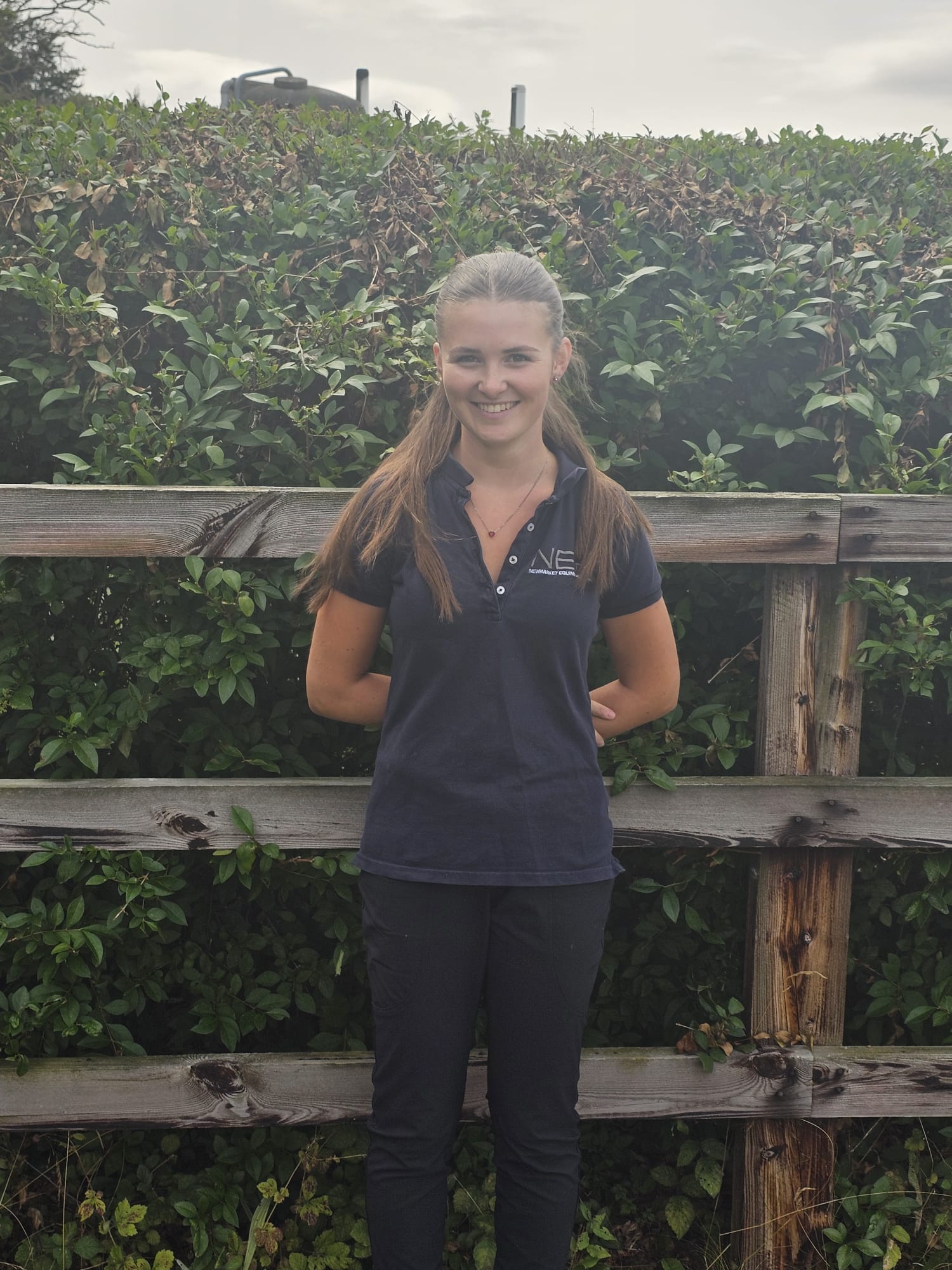
Jess Harrop

Intern Veterinary Surgeon

BVSc MRCVS

Jeremy Allen

Associate Director

BSc VetMB MRCVS

Jeremy qualified as a vet in 1998 from Cambridge University having previously done a degree in Animal Science at Nottingham University.

He enjoys all aspects of equine practice, especially sport and leisure horse veterinary work and equine dentistry.  He is normally accompanied by his trusty canine companion, Ricky (from Romania) while out on his visit rounds.

He is a keen polo player in his spare time and loves breeding and training young ponies.